Ever wonder why Staten Island feels so different from the rest of New York City? If you are looking for more breathing room, a residential feel, and a daily routine that blends city access with parks, waterfronts, and neighborhood personality, Staten Island often stands apart. This guide will walk you through what everyday life really feels like here, from commute patterns and housing styles to outdoor spaces and local dining corridors. Let’s dive in.
Staten Island lifestyle at a glance
Staten Island had an estimated 498,212 residents in 2024, with a population density of 8,665 people per square mile. That is still city living, but it is far less dense than Manhattan, Brooklyn, and Queens. In daily life, that often translates to a little more space, a quieter streetscape, and a more residential rhythm.
Housing patterns support that feel. The borough had a 67.7% owner-occupied housing unit rate, which helps explain why so many blocks feel rooted in long-term homeownership. If you are coming from a denser part of the city, Staten Island can feel like a tradeoff many buyers actively want: less vertical density and more room to breathe.
Neighborhoods feel different by area
Staten Island is not one uniform experience. The borough is shaped by a clear patchwork of neighborhoods, and the feel can change a lot depending on where you land.
The city’s community board map gives a helpful way to think about it. Community Board 1 includes North Shore neighborhoods like St. George, Stapleton, Tompkinsville, Port Richmond, Rosebank, and West Brighton. Community Board 2 covers Mid-Island and East Shore areas such as New Dorp, Midland Beach, South Beach, Todt Hill, and Grant City. Community Board 3 includes South Shore neighborhoods like Great Kills, Huguenot, Tottenville, Charleston, and Annadale.
North Shore has the most urban feel
If you want the part of Staten Island that feels closest to a traditional mixed-use city environment, the North Shore usually leads the conversation. City planning materials describe the St. George, Tompkinsville, and Stapleton area as a mixed-use town-center cluster with housing, businesses, jobs, and public transportation access.
That means you are more likely to find a busier street environment, transit connections, and a blend of residential and commercial uses in this part of the borough. For buyers who want access and activity, this area often feels the most connected to the larger city pattern.
Mid-Island offers a balanced daily rhythm
Mid-Island can feel like a middle ground between access and a more residential pace. Neighborhoods in this part of Staten Island often appeal to buyers who want a practical routine with local shopping corridors, parks, and a range of home styles nearby.
It is also a useful area to explore if you want to stay connected to different parts of the borough without committing to the denser North Shore or the more suburban South Shore feel. Your day-to-day experience here may feel more balanced than extreme in either direction.
South Shore leans more suburban
The South Shore is widely seen as the borough’s most suburban-feeling area. Compared with the North Shore, it is lower-density and more strongly associated with detached homes, neighborhood streets, and a quieter pace.
For many buyers, that is the appeal. If you are looking for a home search centered on space, residential blocks, and a less urban backdrop, the South Shore often matches that goal.
Outdoor living is part of daily life
One of the biggest lifestyle advantages on Staten Island is how naturally parks and waterfront spaces fit into your routine. These are not just occasional weekend destinations. For many residents, they are part of everyday life.
NYC Parks describes the Greenbelt as almost 3,000 acres in the heart of the borough, with forests, wetlands, lakes, ponds, streams, and more than 35 miles of trails. The system is visited by over one million people annually, which speaks to how central it is to Staten Island’s identity.
Freshkills Park adds another major outdoor dimension. This 2,200-acre project is opening in phases through 2036, with early access already available for tours, birding, kayaking, and other programming. As the park continues to open, it will keep expanding the borough’s outdoor options.
Waterfront spaces shape the local routine
Staten Island’s waterfront is a major part of its character. South Beach is home to the Franklin D. Roosevelt Boardwalk and Beach, a 2.5-mile stretch along the Atlantic with beaches, bike facilities, fishing, kayak and canoe launches, and public restrooms.
On the South Shore, Great Kills Park offers another strong outdoor destination. This 523-acre site includes a lifeguarded beach, multi-use path, hiking and biking trails, fishing areas, a marina, and a boat launch. At the southern tip of the island, Conference House Park brings together history, open space, and views of Raritan Bay.
For many buyers, this is one of Staten Island’s biggest lifestyle differences compared with denser parts of the city. Access to beaches, trails, and waterfront scenery is not an occasional luxury here. It is part of the borough’s everyday texture.
Commuting is shaped by ferry, buses, and cars
If you are thinking about living on Staten Island, commute patterns matter. The borough’s mean travel time to work was 45.4 minutes, which reflects one of the key tradeoffs of living here.
The Staten Island Ferry remains the signature link to Manhattan. NYC DOT says it provides free, around-the-clock service between St. George and South Ferry, with more than 16 million annual riders, roughly 45,000 passengers on a typical weekday, and 96% on-time performance in 2023.
The ferry is the anchor
For many people, the ferry is more than transportation. It is part of the rhythm of living on Staten Island. St. George Terminal also connects to the Staten Island Railway and many bus routes, which makes it a central hub for getting around.
Bikes are allowed on the Staten Island Ferry at no charge, which can make multi-step commuting more practical than some people expect. There is also NYC Ferry service from St. George, adding connections to Wall Street/Pier 11, Brooklyn, Battery Park City, and Midtown West.
Rail access is limited compared with other boroughs
The Staten Island Railway is the borough’s only rapid transit line. That means Staten Island does not have the same subway-style network you might be used to in Brooklyn or Manhattan.
In practical terms, daily transportation here tends to be more car-and-ferry-oriented than subway-oriented. If you are considering a move, it helps to think honestly about how often you commute, where you need to go, and whether your routine works best near ferry access, railway stops, bus routes, or road connections.
Housing feels more residential
Staten Island’s housing stock is one of the biggest reasons buyers look here in the first place. The borough’s 67.7% owner-occupied rate points to a market shaped heavily by residential ownership rather than dense renter turnover.
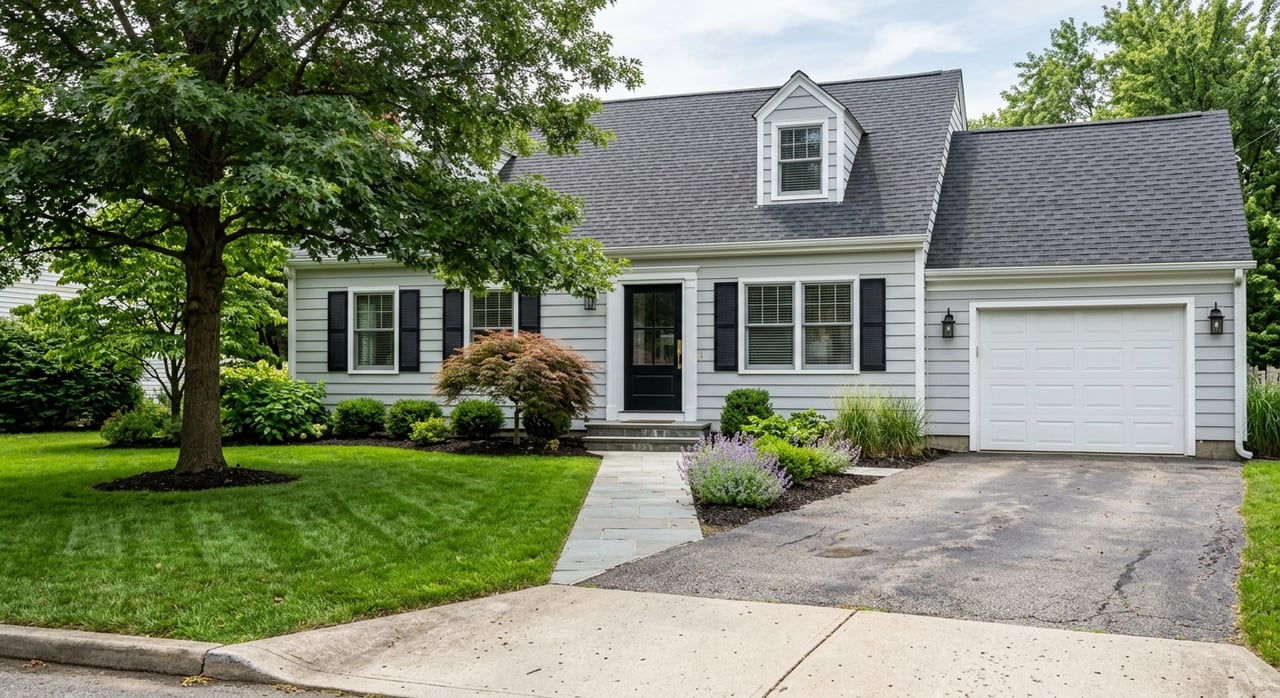
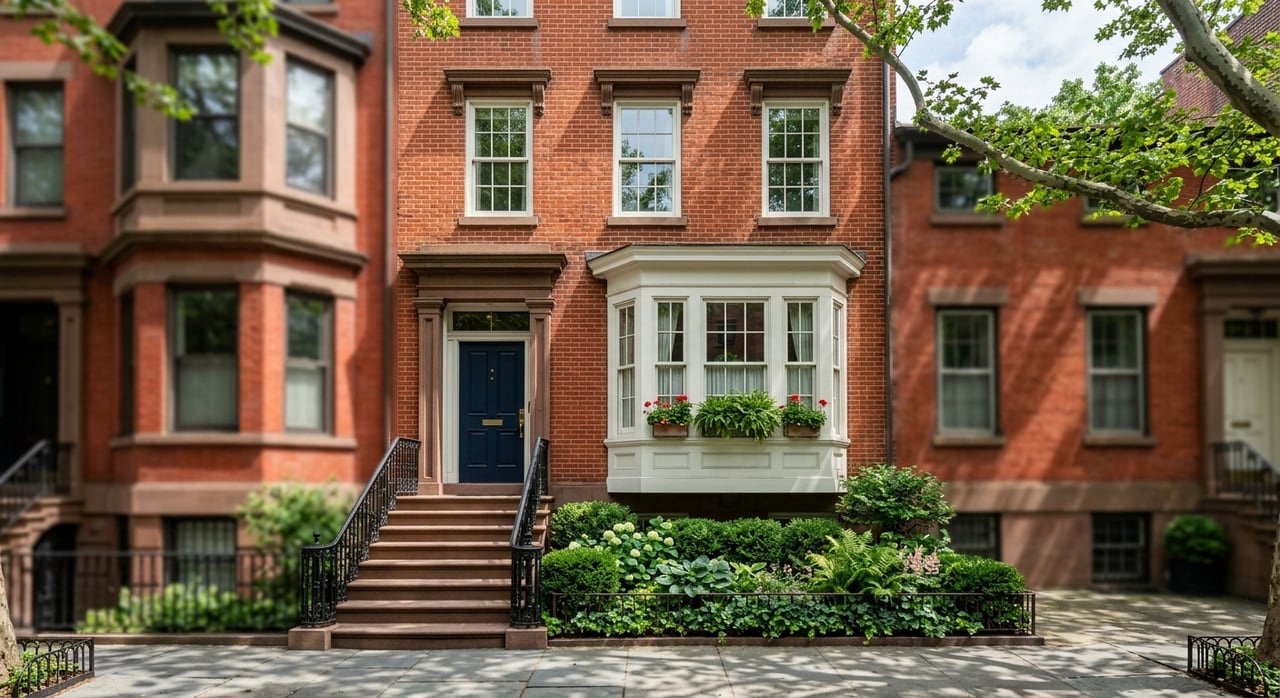
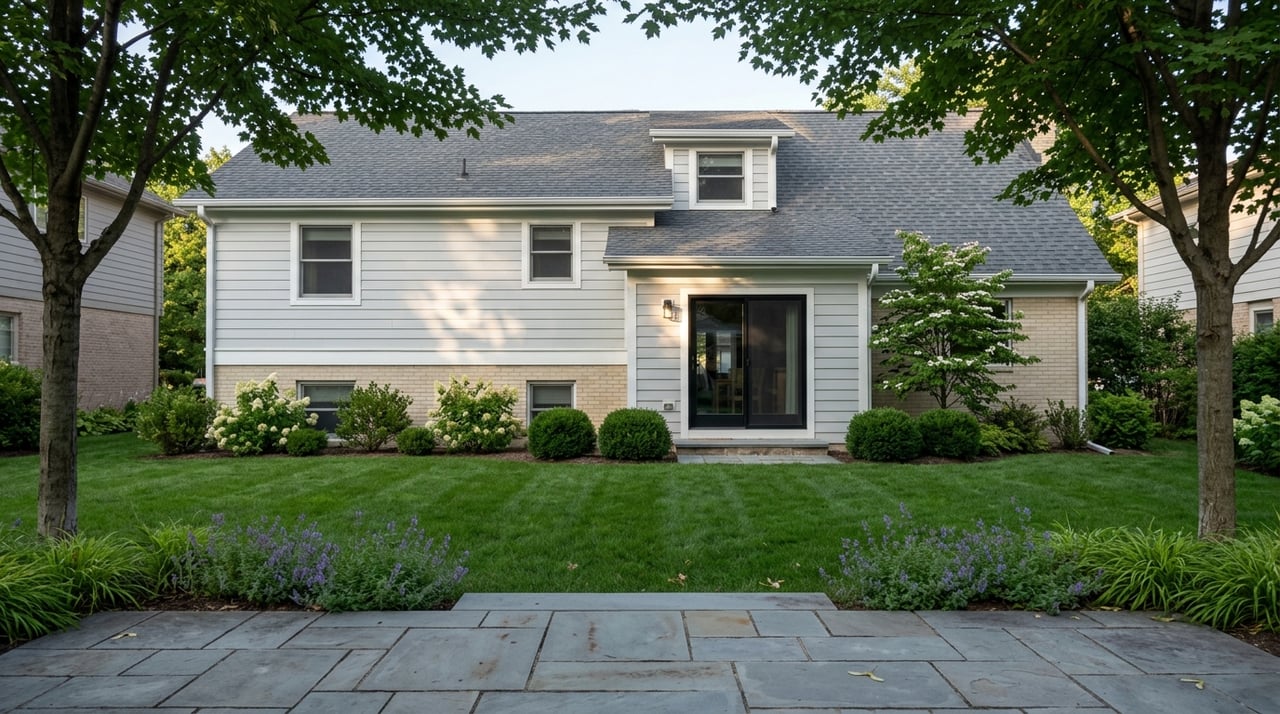
City materials also note that in the East and South Shore areas, 1- and 2-family homes account for 84% of housing units. Older planning documents describe Staten Island’s traditional residential character as primarily one- and two-family detached homes, with row houses and multiple dwellings appearing more often in older neighborhoods.
What that means for buyers
If you are searching for a detached or semi-detached home, Staten Island often gives you more options than denser boroughs. Many home searches here revolve around single-family houses, smaller multifamily properties, and some condos or mixed-use buildings, especially in more transit-connected areas.
The North Shore is generally where apartment and mixed-use options are more likely to cluster. The South Shore tends to carry the strongest suburban feel, which often shows up in the housing conversation too.
Dining is local and neighborhood-based
Staten Island’s food scene is not built around one single, dense restaurant district. Instead, it is spread across neighborhood corridors and local favorites, which fits the borough’s more residential pattern.
City listings highlight dining and hospitality activity along Richmond Avenue, New Dorp Lane, and Hylan Boulevard. Snug Harbor Cultural Center and Botanical Gardens also features Harbor Eats, a seasonal outdoor grill that adds to the borough’s casual dining mix.
Long-running local businesses are an important part of the food identity here. Borough Hall has publicly supported Holtermann’s Bakery as a 145-year-old Staten Island institution, which says a lot about how much neighborhood loyalty and family-run businesses still matter.
Why Staten Island appeals to so many buyers
For many people, Staten Island is not really about leaving city life behind. It is about changing the kind of city life you live.
The borough offers a more residential streetscape, access to parks and beaches, and a housing stock that often centers on one- and two-family homes. The tradeoff is a commute structure that leans on the ferry, buses, the Staten Island Railway, and often a car.
If that balance sounds like what you want, Staten Island can be a very practical and appealing place to put down roots. And if you are weighing Staten Island against a move to New Jersey, understanding this everyday lifestyle is one of the best ways to make a smart, confident decision.
If you are thinking about buying, selling, or planning your next move from Staten Island to New Jersey, Gina D'Onofrio can help you compare your options with clear guidance and local insight.
FAQs
What is daily life like on Staten Island?
- Daily life on Staten Island often feels more spacious and residential than in denser boroughs, with a strong mix of homeownership, neighborhood routines, parks, waterfront access, and commute patterns centered on the ferry, buses, and cars.
Which part of Staten Island feels most urban?
- The North Shore, especially areas like St. George, Tompkinsville, and Stapleton, is generally the borough’s most urban-feeling area because of its mixed-use environment, businesses, housing, and strong public transportation access.
Which part of Staten Island feels most suburban?
- The South Shore is widely seen as the most suburban-feeling part of Staten Island, with lower-density development, quieter residential streets, and a stronger concentration of detached homes.
Is Staten Island good for outdoor living?
- Staten Island offers strong outdoor access through major destinations like the Greenbelt, Freshkills Park, South Beach, Great Kills Park, and Conference House Park, making parks, trails, beaches, and waterfront spaces part of everyday life.
How do most people commute from Staten Island?
- Many commuters rely on the Staten Island Ferry, buses, the Staten Island Railway, and cars, with St. George serving as a major hub for ferry, rail, and bus connections.
What kind of homes are common on Staten Island?
- Staten Island is known for a housing stock that includes many one- and two-family homes, especially in the East and South Shore areas, with some condos, mixed-use buildings, and apartment options more likely in North Shore locations.