Buying your first home in Brooklyn can feel exciting right up until the numbers get real. Between high prices, different ownership types, and local costs that catch many buyers off guard, it is easy to feel unsure about where to start. The good news is that a smart first step can make the entire process clearer. If you understand your budget, your options, and the pace of the market before you shop, you can move with a lot more confidence. Let’s dive in.
Start With Your Real Budget
In Brooklyn, your budget is not just about the listing price. Recent market data shows how expensive the borough can be, with reported median prices ranging from $828,000 in Q1 2026 to $990,000 in Q4 2025, and a 2025 median asking price of $1.1 million. That range alone is a reminder that first-time buyers need to ground their plans in monthly affordability, not wishful thinking.
A preapproval letter is often part of the process before a seller will seriously consider your offer. More importantly, it helps you understand what you may be able to borrow and what payment level fits your finances. Comparing lenders and reviewing official Loan Estimates can help you make a more informed decision before you commit.
Plan for More Than the Down Payment
One of the biggest first-time buyer mistakes is focusing only on the down payment. In New York City, buyer closing costs often run around 4 to 6 percent, and they can be higher for condos than for co-ops. On top of that, you may also need funds for moving, repairs, updates, and a post-closing emergency cushion.
If you put down less than 20 percent on a conventional loan, you may also have private mortgage insurance as part of your monthly payment. That can affect what feels comfortable month to month. A home that looks affordable on paper can feel very different once all the real costs are included.
Understand Brooklyn-Specific Taxes and Fees
Brooklyn buyers also need to account for local taxes that do not exist in the same way everywhere else. New York City charges a mortgage recording tax when a mortgage is recorded in the city. New York State also imposes a mansion tax on residential purchases of $1 million or more, starting at 1 percent.
That matters because in Brooklyn, it is not unusual for first-time buyers to cross the $1 million line depending on the property type and neighborhood. Even if your monthly mortgage works, these upfront costs can change how much cash you need to close. This is why cash planning should happen early, not after you find a place you love.
Look Into First-Time Buyer Assistance
If you are buying your first home, local and state programs may be worth exploring. New York City’s HomeFirst program can provide eligible buyers with a 0 percent forgivable loan of up to $100,000, or up to 20 percent of the purchase price, for a 1 to 4 family home, co-op, or condo in the five boroughs. The program requires homebuyer education, a participating lender, and at least 3 percent of the purchase price from your own funds.
SONYMA also offers low-interest mortgages, down payment assistance, and support for first-time buyers. In these programs, a first-time buyer generally means someone who has not owned a primary residence in the last three years. If you have been renting for a while, that definition may work in your favor.
Know the Difference Between Co-ops, Condos, and Houses
In Brooklyn, your buying experience depends a lot on what type of property you choose. A co-op, condo, and house can all serve the same goal of homeownership, but they come with very different rules, costs, and timelines. Knowing those differences early can save you time and frustration.
For many first-time buyers, this is one of the biggest forks in the road. The right fit depends on your budget, how much flexibility you want, and how comfortable you are with building oversight and ongoing costs.
Co-ops: Lower Price, More Review
A co-op is not direct ownership of real property in the same way a condo or house is. You are buying shares in a corporation that are tied to a proprietary lease for the apartment. Co-op owners pay maintenance charges, and buyers should expect a board approval process that may include references and a detailed financial review.
That extra review can feel intense, but co-ops are often part of the value conversation for first-time buyers. If keeping your purchase price lower matters most, a co-op may be worth considering. You just need to be prepared for the board process and understand the building’s financial expectations.
Condos: More Flexibility, Higher Cost
A condo gives you ownership of the unit itself. Instead of maintenance, condo owners typically pay common charges, and the approval process is usually less demanding than in a co-op. That can make condos appealing if you want a more straightforward path to closing.
The tradeoff is often cost. Condos tend to be more expensive than co-ops, and buyer closing costs are often higher too. If flexibility matters more than keeping upfront costs as low as possible, a condo may still be the better fit.
Houses: Space and Independence
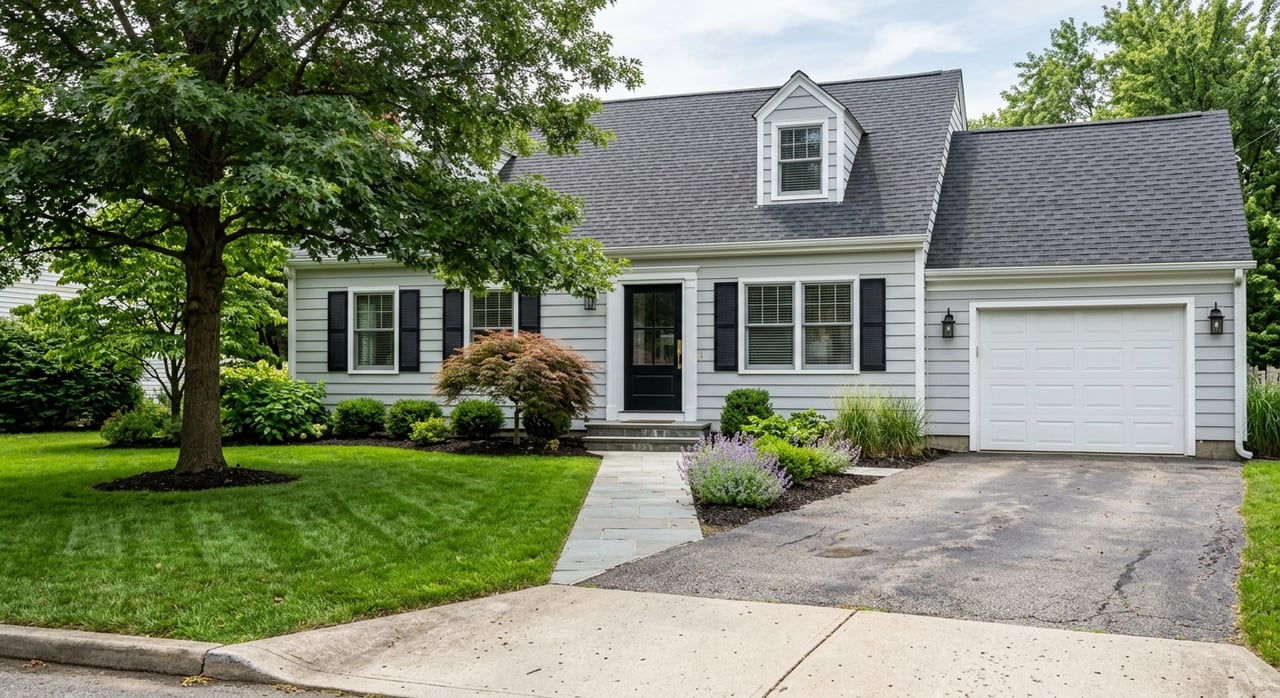
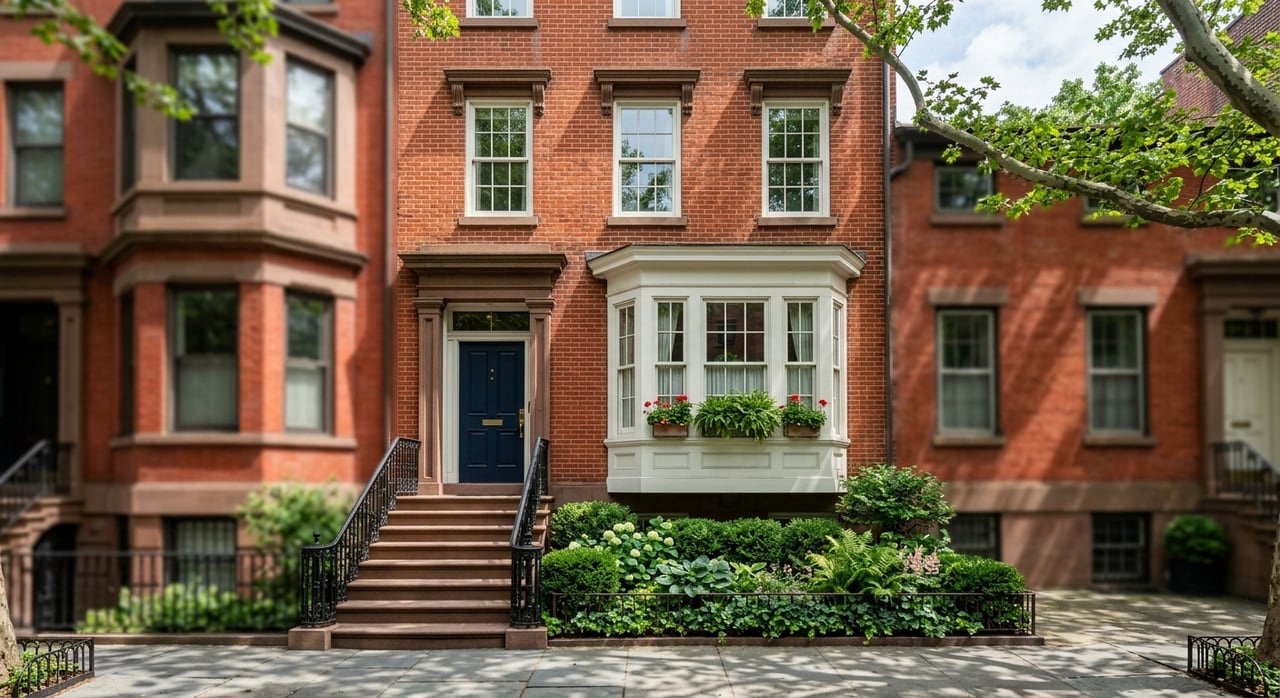
A house or townhouse avoids the co-op share structure entirely. That can simplify ownership in some ways, but it also means you take on more responsibility for upkeep, repairs, and decision-making. For buyers who want more privacy or more room, that tradeoff can be worth it.
Price is a major factor here. Brooklyn 1 to 3 family homes had a reported median of $1.2 million in Q2 2025, which means many buyers in this category may also face the mansion tax threshold. A house can offer space and autonomy, but the carrying costs and entry price are often higher.
Monthly Costs Matter as Much as Purchase Price
No matter what type of home you buy, your monthly cost is bigger than the mortgage alone. Co-op owners usually pay maintenance. Condo owners pay common charges. Taxes, utilities, and insurance may also be part of your monthly housing expense.
This is where many first-time buyers get surprised. A property that fits your loan approval amount may still feel too expensive once every recurring cost is added in. Before you begin touring homes, it helps to define a monthly payment ceiling that feels sustainable for your day-to-day life.
Do Your Due Diligence Early
In Brooklyn, due diligence is not something to rush through. The New York Attorney General advises buyers to read the full offering plan and consult an attorney before signing a purchase agreement. For existing buildings, it is also smart to review board minutes, financial reports, and any posted violations.
This step matters because expensive building issues are not always visible during a showing. Facade work, roof problems, elevator repairs, plumbing, electrical updates, and boiler issues can all affect your costs after closing. A lower purchase price does not always mean a better deal if a building has major deferred maintenance.
Be Ready for a Selective, Active Market
Brooklyn is not one single market. Some segments are more competitive than others, and conditions can shift by property type. Recent reporting showed increased condo signed contracts in April 2026, while softness was more concentrated in co-ops, and some co-op sales still experienced bidding wars.
That means you should be ready to move quickly when the right property appears, but you should not assume every listing will sell over asking. A smart strategy balances urgency with discipline. You want to be prepared, not rushed.
Expect the Closing Process to Take Time
First-time buyers are often surprised by how long the process can take after an offer is accepted. In Brooklyn, the period between contract signing and closing can stretch for months. Board review, inspections, appraisals, and final walk-throughs all add time.
This is especially important if you are trying to line up the end of a lease or plan a move around work or family needs. A realistic timeline helps reduce stress. It also makes it easier to avoid making moving decisions too early.
Compare Brooklyn With Nearby New Jersey
For some first-time buyers, the smartest move is not limiting the search to Brooklyn alone. If you want more space, different housing options, or fewer building restrictions, nearby New Jersey markets may deserve a look. The most useful comparison is not borough versus suburb in the abstract, but what your monthly payment, commute, property type, and upfront cash look like in each place.
This is especially relevant if you are already considering a move beyond Brooklyn for your next chapter. New Jersey also offers first-time buyer support through NJHMFA programs, including mortgage options and down payment assistance that can reach up to $15,000 depending on county, with some broader assistance offerings reaching up to $22,000 toward down payment and closing costs. Like New York programs, New Jersey generally defines a first-time buyer as someone who has not owned a home in the last three years.
For buyers weighing Brooklyn against central or coastal New Jersey, comparing the full cost picture can bring real clarity. Sometimes the best decision is staying close to where you are. Sometimes it is expanding your search so you can make a choice that fits your budget and lifestyle better.
A Strong Start Makes Everything Easier
If you are a first-time buyer in Brooklyn, the biggest advantage you can give yourself is preparation. Know your numbers, understand the ownership types, plan for local taxes and closing costs, and leave room in your budget for the real monthly expense of ownership. That kind of clarity helps you shop smarter and feel more confident when it is time to act.
If you are also wondering whether Brooklyn or New Jersey makes more sense for your next move, a side-by-side comparison can help you avoid costly assumptions. If you want experienced, steady guidance through that process, Gina D'Onofrio can help you understand your options and take the next step with confidence.
FAQs
What should Brooklyn first-time buyers budget for besides the down payment?
- Brooklyn first-time buyers should also plan for closing costs, which are often around 4 to 6 percent in NYC, plus moving expenses, possible repairs or updates, emergency reserves, and monthly costs such as maintenance, common charges, taxes, utilities, insurance, and possibly private mortgage insurance.
How are co-ops and condos different for Brooklyn buyers?
- For Brooklyn buyers, a co-op means buying shares in a corporation with board approval and maintenance charges, while a condo means owning the unit itself with common charges and usually a less intensive approval process.
What is the mansion tax for Brooklyn homebuyers?
- For Brooklyn homebuyers, New York State mansion tax applies to residential purchases of $1 million or more, starting at 1 percent of the purchase price.
Are there first-time homebuyer programs available in Brooklyn?
- Yes. Eligible Brooklyn buyers may be able to use New York City’s HomeFirst program and SONYMA programs, which can offer down payment assistance, low-interest mortgage options, and first-time buyer support.
How long does it take to close on a Brooklyn apartment?
- For a Brooklyn apartment, the time from contract signing to closing can take months because the process may include attorney review, inspections, appraisals, board review, and a final walk-through.
Should Brooklyn first-time buyers compare New Jersey too?
- For some Brooklyn first-time buyers, comparing nearby New Jersey markets makes sense, especially if you want more space, a different property type, or a different monthly cost structure than what you are finding in Brooklyn.